
 OBJECTIVE
Improve the site’s search rankings across multiple regions
 KEY CHALLENGES AND NUANCES
- Eliminating all technical errors on the site, which is especially important for a food-delivery website.
- Improve usability based on real user behavior.
The scope involved promoting in 70 cities and migrating the site platform twice over the course of the project—requiring constant monitoring and rapid fixes.
 STEPS TO THE SOLUTION
We conducted a full technical audit of the site and found the following issues:
- Google Search Console is not set up
Google Search Console provides tools and reports to evaluate site visibility and clicks from Google, fix errors, and achieve higher positions in search results.
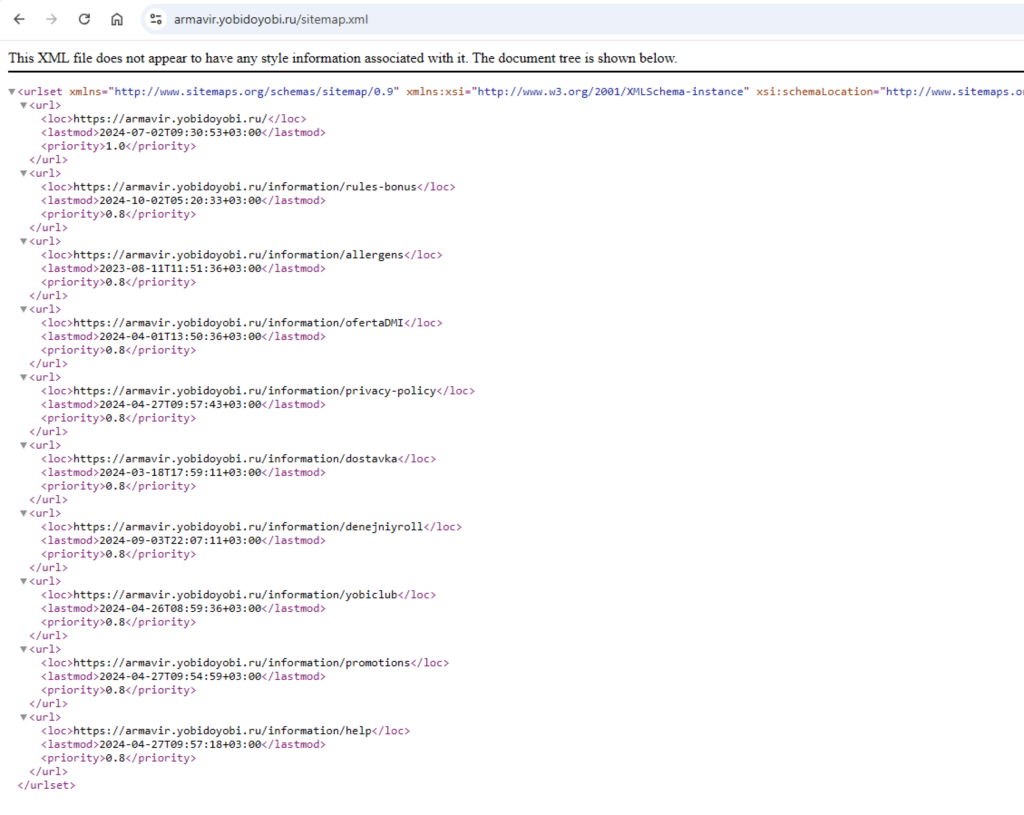
- Misconfigured robots.txt and no XML sitemap
This hampered page indexing by search engines and negatively affected rankings. We generated a new sitemap and corrected the robots.txt file.
- Incorrect redirects
Redirects between trailing-slash and non-trailing-slash URLs weren’t configured, causing page duplication. We implemented proper 301 redirects to prevent indexing problems
- Error codes were not configured for non-existent pages
The correct 404 error code is necessary so search engines don’t treat such pages as potentially existing, which could worsen the site’s rankings.
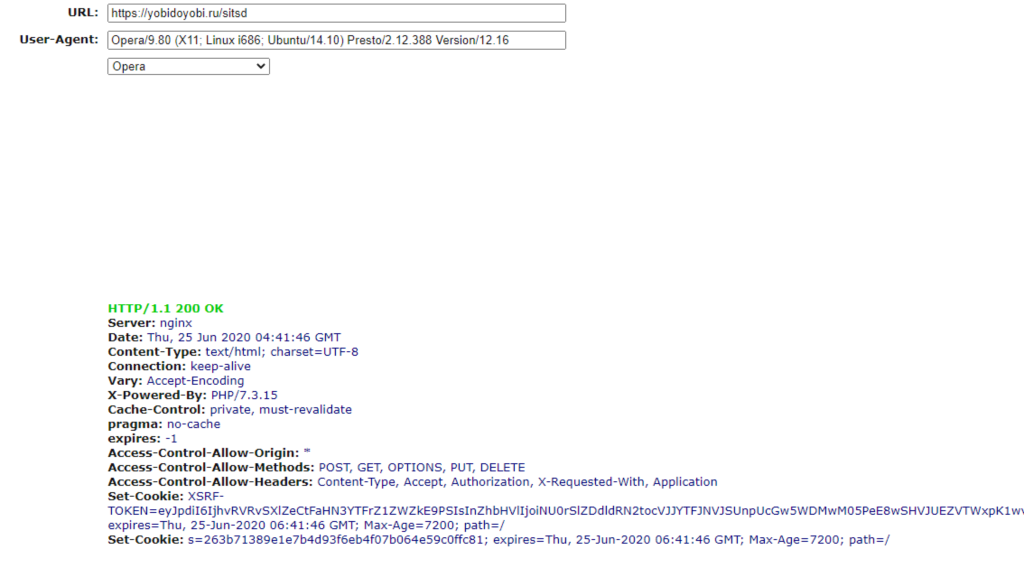
Pages that no longer exist should return a 404 status code.
- Product images lacked alt text.
Alt text improves accessibility and helps pages rank in image search. It can also drive extra traffic from Google Images. We recommended adding descriptive, product-name-based alt text for all product images.
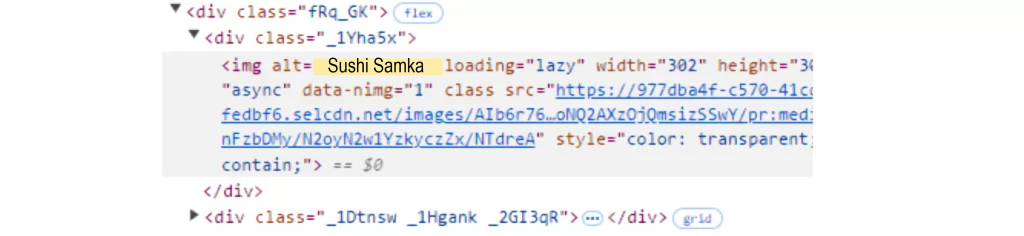
Alt attributes help search engines interpret image content and page context.
On-page optimization
- City-specific semantic cores. We built a semantic core (keyword set) for every city to reflect regional search behavior. People in different regions may search for sushi differently, so it was important to consider these nuances.
Definition: A semantic core is the set of user search queries on a chosen topic over a defined period—typically one month.
- City landing H1s. We added H1 tags to the main page of each city. Search engines treat the H1 as the primary page heading, so it should be present on every page.
Template used: “Yobidoyobi: Sushi & Rolls Delivery in {City}.”
- Title and meta description templates (system pages). We prepared templates for the title tag and meta description across system pages.
Definition: Title - an essential page heading for SEO, helping search engines rank the page and show relevant answers.
Definition: Meta description is a brief summary of the page that search engines use to generate a snippet shown beneath the title in search results.
- Post-migration redirect management.
The client switched platforms twice; we ensured all legacy pages redirected correctly to the new ones—helping preserve search rankings.
SEO across regions.
City-specific subdomain strategy. We used a separate subdomain for each city, enabling us to compete locally in every regional market of the sushi-delivery niche.
This strategy demands a rigorous approach - every subdomain must be configured correctly and fully optimized.
- City-by-city Google Maps listings and verification.
Off-page optimization.
- Identified relevant, topic-specific forums for link placements.
- Added social media links to keep the backlink profile natural and diversified.
This strengthens the site’s authority with search engines and, in turn, improves its rankings.
RANKING — BEFORE VS AFTER
| Query | Before | After |
|
order sushi online |
6 | 1 |
|
sushi krasnoyarsk |
5 | 2 |
|
buy sushi in krasnoyarsk |
8 | 3 |
| sushi rolls | 93 | 4 |
|
sushi delivery |
95 | 5 |
| order sushi | 68 | 5 |
|
order sushi home promotion |
69 | 7 |
KEY RESULTS
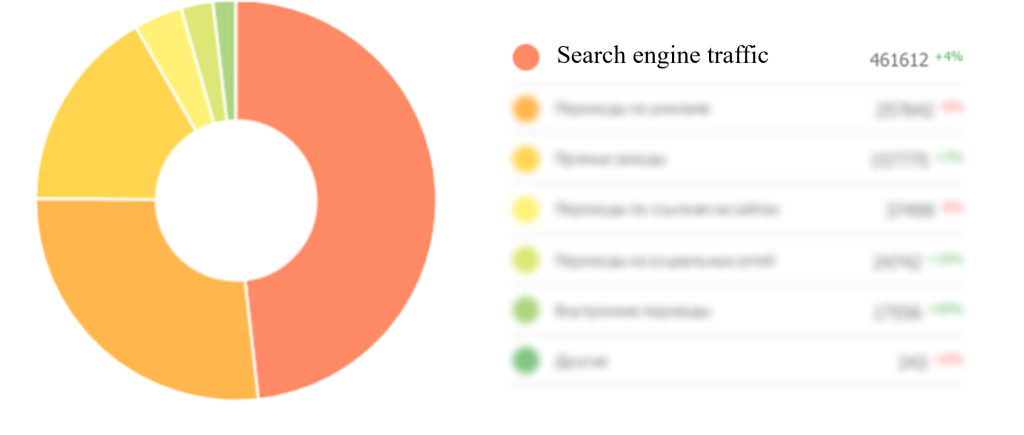
At the project start,tThe site received 48,683 visits from search engines in the first month. As the work progressed, monthly organic search visits rose to 461,612—an 848.2% increase.
Organic search traffic before optimization began.
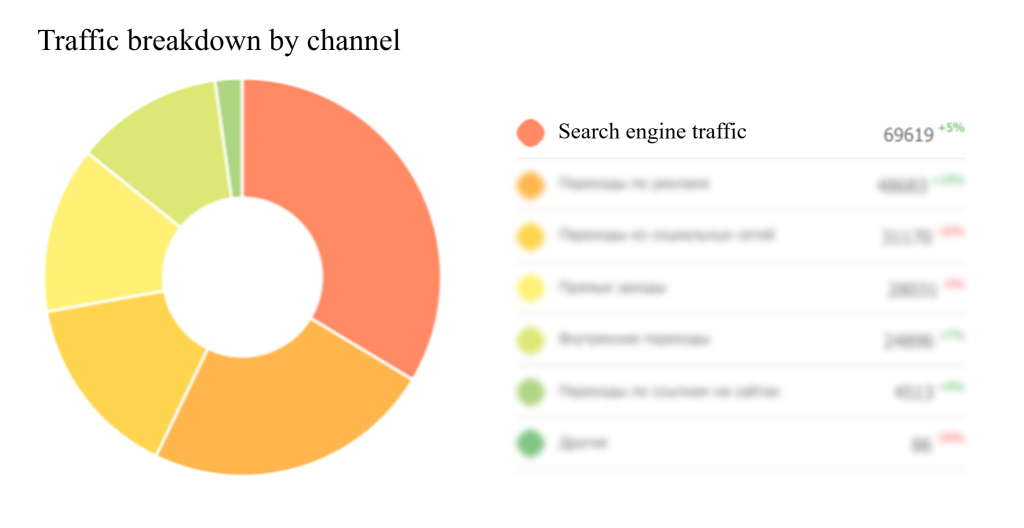
Current organic search traffic.
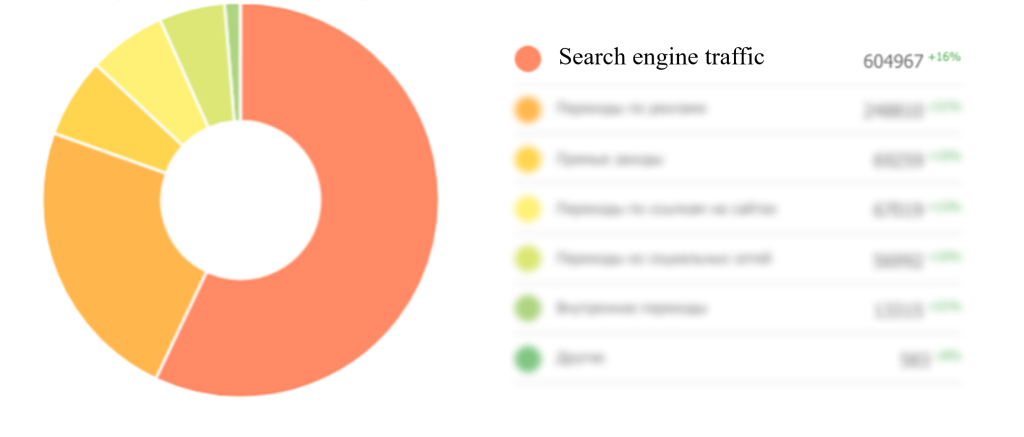
In December, traffic set a new record: 604,967 unique visitors
Organic search traffic — December 2024.
The results were also reflected in search rankings. At the start of the project, only 6% of queries were in Google’s top 10. After implementation, 61% of the queries rank top-10 on Google. These are outstanding results—especially for a program spanning 70 regions and expanding to 130 cities during this period.
In just six months, we increased traffic from 80K to 260K visitors.